rosacea
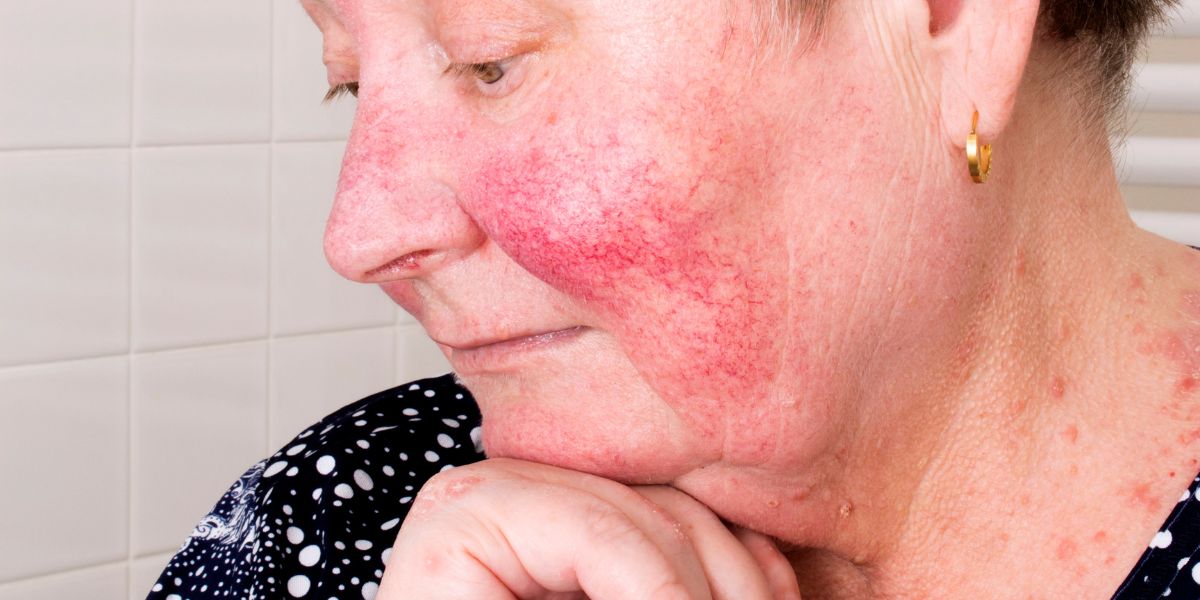
Rosacea skin needs extra TLC and we’re here to make it easy. While there is no cure, there are remedies and skin care products that help treat and reduce the symptoms.
Our Team of caring and professional experts at Temple have listed ways to care for rosacea-prone skin. With these in mind, and with our help and guidance, you can enjoy calm and soothed skin without the redness, sting and inflammation.
What is Rosacea?
Rosacea is a chronic inflammatory skin condition that affects millions of people worldwide. Studies estimate that around 5% of people worldwide struggle with the condition. It is characterized by redness, flushing, and visible blood vessels on the face, as well as the development of small, red, and pus-filled bumps or pimples. While there is no known cure for rosacea, it can be managed through proper skin care and lifestyle changes.
How do you know it’s Rosacea and not just Redness?
There are four types of rosacea:
-
- Erythematotelangiectatic rosacea (ETR) – facial redness particularly in the centre, flushing, visible vessels, sensitive tingling and burning skin sensations, skin can be dry rough and scaly.
- Papulopustular rosacea (acne) – acne like breakouts often affecting middle aged women, very red and oily skin, can have raised patches of skin.
- Rhinophyma – this is rare and often effects men with thickening of the skin on the nose, chin and ears, large pores, broken blood vessels.
- Ocular rosacea – symptoms effect the eye area, blood shot and watery eyes feeling gritty, irritated eyes with cysts, diminished vision, broken vessels on eyelids.
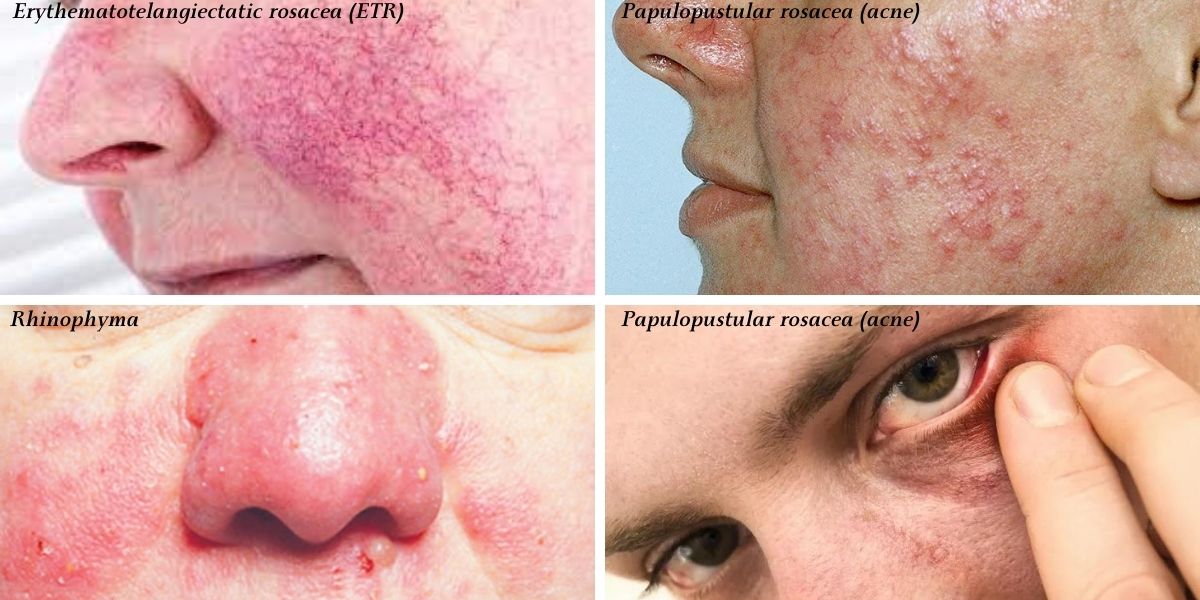
If still unsure, your Temple Therapist can easily help in doing so.
1. Identify Your Triggers
The first step in managing rosacea is to identify your triggers. Triggers can be anything that causes your skin to flare up and become inflamed. Common triggers include sun exposure, stress, alcohol, spicy foods, and hot beverages. Once you have identified your triggers, you can take steps to avoid or minimize them. Keep a journal of when a flareup happens and note down activities or food that may have affected the condition. Over time, it will be easier to define the patterns that aggravate your rosacea.
2. Protect Your Skin from the Sun
Sun exposure is a common trigger for rosacea, so it is essential to protect your skin from the sun’s harmful UV rays. Use a broad-spectrum sunscreen with an SPF of at least 30 every day, even on cloudy days. Wear a wide-brimmed hat and seek shade during peak sun hours.
The sun and even warm environments cause vascular endothelial growth factors to go overdrive. This is linked to the growth of new blood vessels hence the flushness and swelling.
3. Use Gentle Skin Care Products
Rosacea skin is delicate and sensitive, so it is important to use gentle skin care products that do not irritate or inflame the skin. Look for fragrance-free, non-comedogenic, and hypoallergenic products. Avoid products that contain alcohol, witch hazel, menthol, and eucalyptus, as these can be irritating to the skin.
Choose ones that have Vitamin C. The anti-inflammatory properties and bioflavonoids help in strengthening weakened blood vessels. Aside from this, because it is anti-oxidant rich, it also supports the skin to combat free radicals.
- Use a Gentle Cleanser
Cleansing your skin is essential to remove dirt, oil, and makeup, but harsh cleansers can strip your skin of its natural oils and cause irritation. Look for a gentle, non-foaming cleanser that is designed for sensitive skin. Avoid using hot water, as this can further irritate your skin.
Apply the cleanser onto your fingertips instead of using a rough washcloth or sponge. These will only cause irritation. Then rinse with tepid water. Avoid rubbing your skin and instead dry off by patting a soft towel onto your skin. Take care to avoid the stinging sensation when the skin is damp by slowly reducing the drying time until you find an ideal and comfortable pace for your skin.
If you have prescribed medication, wait until the skin is completely dry before applying this and then your moisturiser, sunscreen and sun protection.
- Moisturise Your Skin
Moisturising your skin is essential to help maintain its natural barrier and prevent dryness, which can lead to inflammation and flare-ups. Look for a gentle, fragrance-free moisturizer that is suitable for sensitive skin. Apply it twice a day, in the morning and at night, after cleansing your face. Make sure that you allow your topical medication to dry and be absorbed before putting on your skin biome-friendly moisturiser.
You skin’s natural biome is composed of good microorganisms that support skin health. It helps to fight off infection; it also acts as an alarm to your immune system when there are harmful bacteria or viruses present; and, it alerts when the mircobiome detects harmful UV rays and influences how skin cells react to it.
- Avoid Harsh Exfoliants
Exfoliating your skin can help remove dead skin cells and unclog pores, but harsh exfoliants can cause inflammation and exacerbate rosacea symptoms. Avoid using physical exfoliants, such as scrubs and brushes, and opt for chemical exfoliants, such as alpha-hydroxy acids (AHAs) and beta-hydroxy acids (BHAs), instead.
Opt for 2%BHA (beta hydroxy acid) as exfoliant in a base of pH 3-4. This will help in managing flakiness especially during times when you are off your medications. BHA is often tied with salicylic acid for its anti-inflammatory effects.
4. Be Careful with Makeup
Makeup can help conceal redness and inflammation, boosting your confidence and appearance. However, it can also irritate your skin and cause flare-ups. Look for makeup that is specifically formulated for sensitive skin and avoid products that contain fragrance, alcohol, and other irritants. Always remove your makeup before going to bed.
Use anti-bacterial brushes instead of a sponge (too harsh) or your fingers which may introduce dirt and bacteria. Regularly was your makeup tools after each use, too. It’s also a good idea keep your makeup simple to avoid introducing chemicals or ingredients that may irritate the skin. For example, shop for multi-functional products like a green-tinted base with SPF to help with the redness whilst giving you protection from the sun.
Keep away from oil-based and choose mineral makeup instead. If you are suffering from ocular rosacea, it is wise to use eye makeup that is allergy- tested and fragrance-free formulas. Eye liners and mascara should be easily removed with water and avoid tugging at the skin when you do so. Keep things neutral with your eye shadow palette as jewel colours contain harsh pigments.
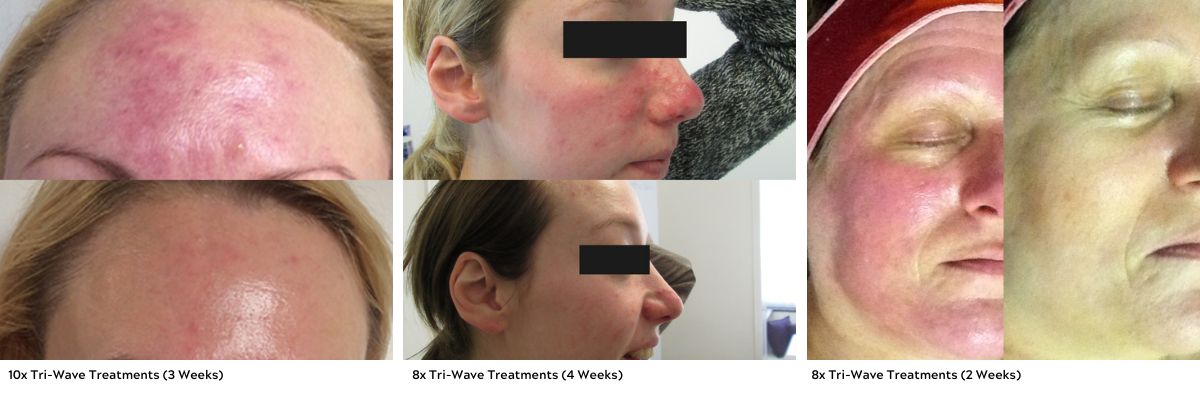
5. Get regular LED Light Therapy
LED Light Therapy uses specific, clinically tested and proven wavelengths to treat Rosacea with therapies at Near Infrared light (830nm). This triggers the skin’s natural anti-inflammatory processes and hastens the healing and repair process. Near infrared light enables sensitive and compromised skin to build strength and integrity.
Remember that LED results are cumulative and best performed 2-3 times a week to treat Rosacea. Results are dramatic for calming inflammation within the skin and healing any lesions.
6. Manage Your Stress
Stress is a common trigger for rosacea, so it is important to manage your stress levels. Practice stress-reducing techniques, such as meditation, yoga, deep breathing, or journaling. Make time for activities that you enjoy and prioritize self-care.
7. Seek Professional Treatment
If your rosacea symptoms are severe or do not respond to at-home care, it may be necessary to seek professional treatment. Your dermatologist may prescribe topical or oral medications, such as antibiotics or anti-inflammatory drugs, to help manage your symptoms.
In conclusion, rosacea is a chronic inflammatory skin condition that can be managed through proper skin care and lifestyle changes. By identifying your triggers, protecting your skin from the sun, using gentle skin care products, moisturizing your skin, using
Learn more about the whys, hows, dos and don’ts of Rosacea here, and read up on tips to support your Rosacea topical skincare, inside and out here. If you need professional help managing your Rosacea, our Temple Team is here for you. Book a Specialist Consultation today and see results that matter.
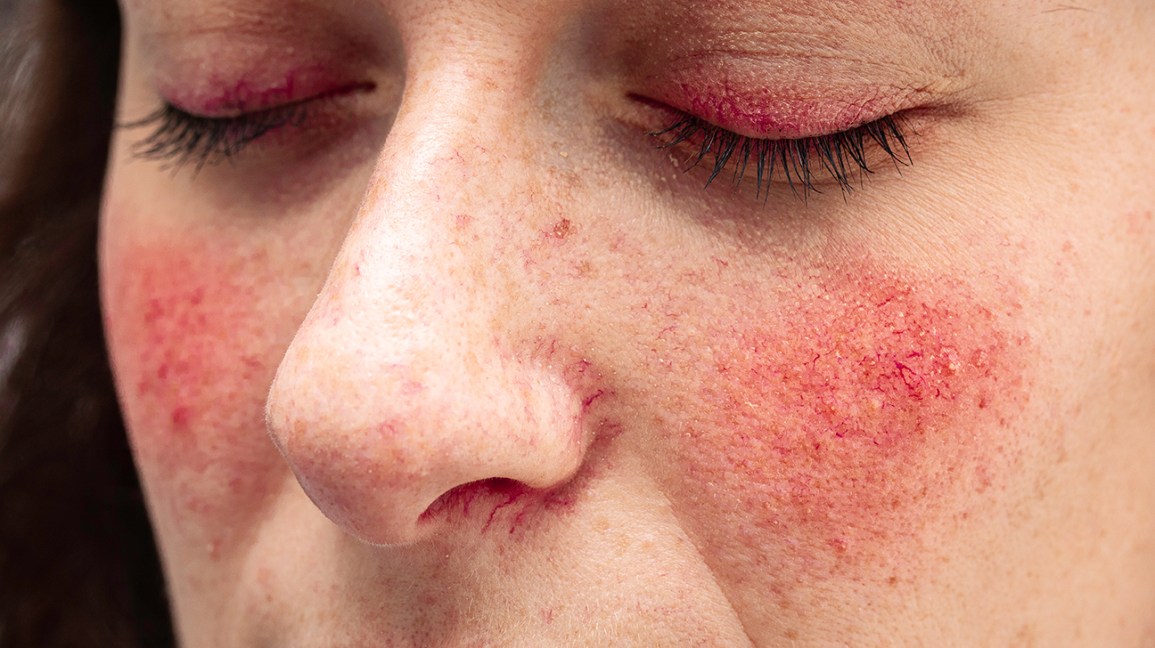
Facing Rosacea head on… The rundown on living with Rosacea…
Rosacea (‘like roses’ in Latin) is a chronic disorder that increases reactivity of the capillaries to heat, leading to flushing and inflamed red papules. You’ll notice redness on your cheeks, nose, chin, and forehead although for some sufferers, the redness also appears on the neck, head, ears, or chest. The broken blood vessels might also show through your skin, causing thickening and inflammation. Nearly 50% of people with Rosacea also experience redness, swelling, and pain in their eyes.
Oftentimes, Rosacea can present itself with these symptoms:
- Stinging and burning of your skin
- Patches of rough, dry skin
- A swollen, bulb-shaped nose
- Enlarged pores
- Broken blood vessels on your eyelids
- Bumps on your eyelids
- Problems with vision
For many, Rosacea can flare up for a few weeks, fade, and then come back. Understanding the triggers as well as putting a lot more care into your overall skin, body and emotional health will help keep the symptoms art bay. One mustn’t forgo treatment as well, because the redness and swelling can get worse and might become permanent.
Learn more about the causes and what treatments are available to you here.
Women in their mid-30’s with a likely Rosacea disposition may see it start as small red pustules. It often appears like acne, with lesions resembling acne breakouts, and is often mistreated as such. There is no real cure for rosacea, however there are treatments that effectively control the symptoms.
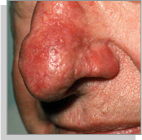
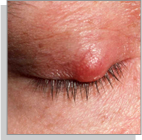
How do I manage my Rosacea?
The good news is that there’s a lot you can do to control Rosacea flare-ups. Be observant about the things that trigger the condition and avoid them. Keeping track via a journal can help with identifying how and when a rush of symptoms occur.
Some triggers are:
- Sun exposure
- Hot or cold temperatures
- Wind
- Stress
- Hot baths
- Hot or spicy foods or drinks
- Alcohol
- Intense exercise
- Medicines such as blood pressure drugs or steroids you put on your skin
Read more about caring for skin during Winter season here.
Your doctor may prescribe medication to treat the symptoms and you may see improvement over a couple of weeks or months. Any topical skincare must be supported from the inside to heal and minimise the factors that that worsen this condition, and weaken the skin.
4 Tips to support your Rosacea topical skincare, inside and out
1- REPLACE HEATING FOODS WITH COOLING, CALMING FOODS.
Heating foods are vasodilators, that redden and sensitive your skin by increasing blood flow through your fine capillary system. Avoid heating foods such as cayenne, strawberries, peanuts and caffeine. Replace with ginger, almonds, mint and herbal teas.
2- BE AWARE OF HEATING FACTORS.
Emotional stress and menopause also heat the skin. External factors like strenuous exercise, sun exposure, hot showers and cooking in the heat will worsen a condition like Rosacea.
3- GUT HEALTH PLAYS A ROLE.
Poor digestion is linked with rosacea. Low stomach acid results in intestinal bacterial overgrowth and H Pylori. Eating bitter foods like dark leafy greens is a helpful addition to the diet of rosacea sufferers with digestive issues. More and more studies show the connection between the gut and skin issues like Rosacea.
4- NUTRIENTS WE NEED TO SUPPLY
Essential Fatty Acids are essential to treating Rosacea. They are not only anti-inflammatory but they also support the acid mantle which protects the skin from environmental irritants.
It goes without saying that protecting your face with broad-spectrum SPF is a must. Do not rub or touch your face too much. Use a gentle cleanser twice a day and moisturize. Make sure that you are using fragrance-free products, and not those that contain other skin irritants, such as alcohol, camphor, urea and menthol.
At Temple Skincare & Spa, we have the Skin Zen Rose Facial for sensitive skins. This is the perfect compliment to your Rosacea skin care. Regular LED Light Therapy also helps in minimising the symptoms and reduces inflammation. As a more intensive treatment, Laser Skin modalities are an option to address broken capillaries.
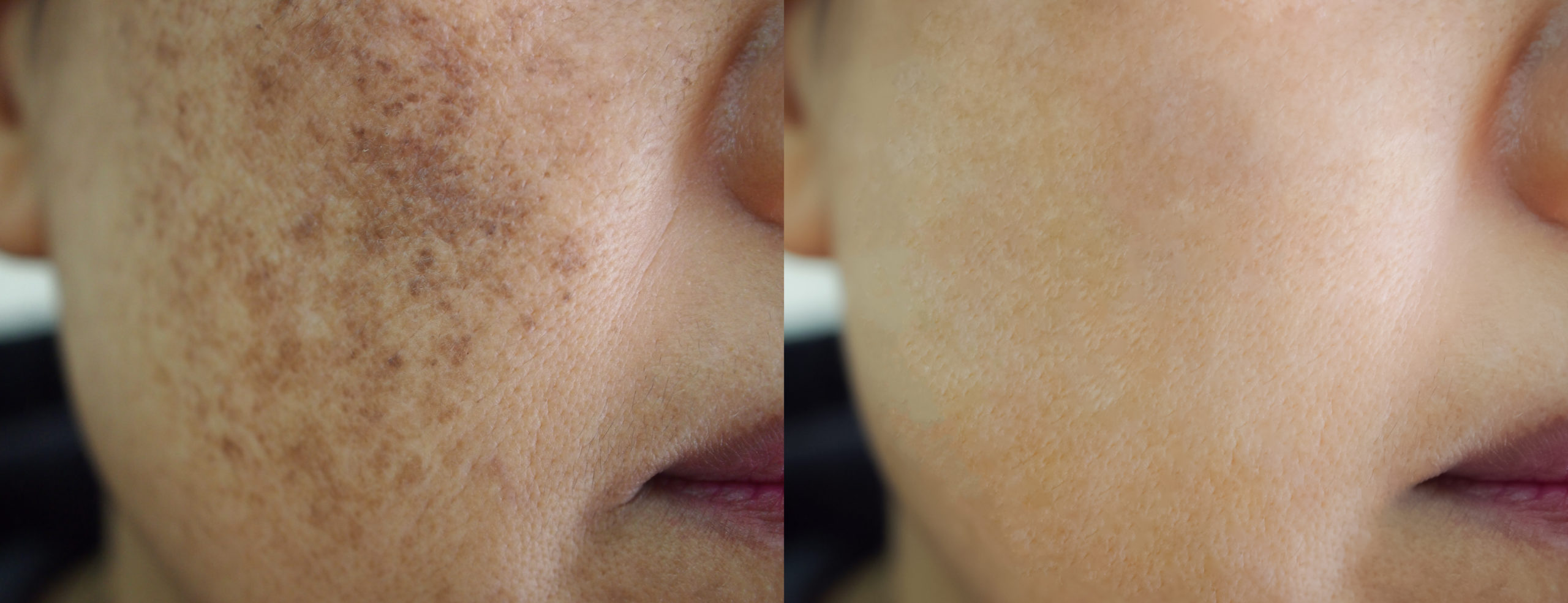
Pigmentation is a common skin problem, especially as we age. Here are some answers to the question ‘how can I get rid of skin pigmentation?’
“How can I get rid of pigmentation?”
This is a question many clients ask their skin specialist. First up, it is helpful to understand the cause of this condition.
Skin pigmentation explained
Everyone’s skin has pigment, it is what gives it colour. However, as we age, the even skin tone enjoyed as children and young adults starts to become unbalanced. Brown pigment patches appear, most noticeably on our hands and faces. This is caused by environmental damage and our skin’s natural melanin production but in some people it is more pronounced than others.
If brown spots, age spots and skin pigmentation are troubling you, there are some ways to minimise their appearance. Take a look at some ingredients, products and treatments which are popular for getting rid of pigmentation.
Click here to learn more Depigmentation FAQs
Ingredients
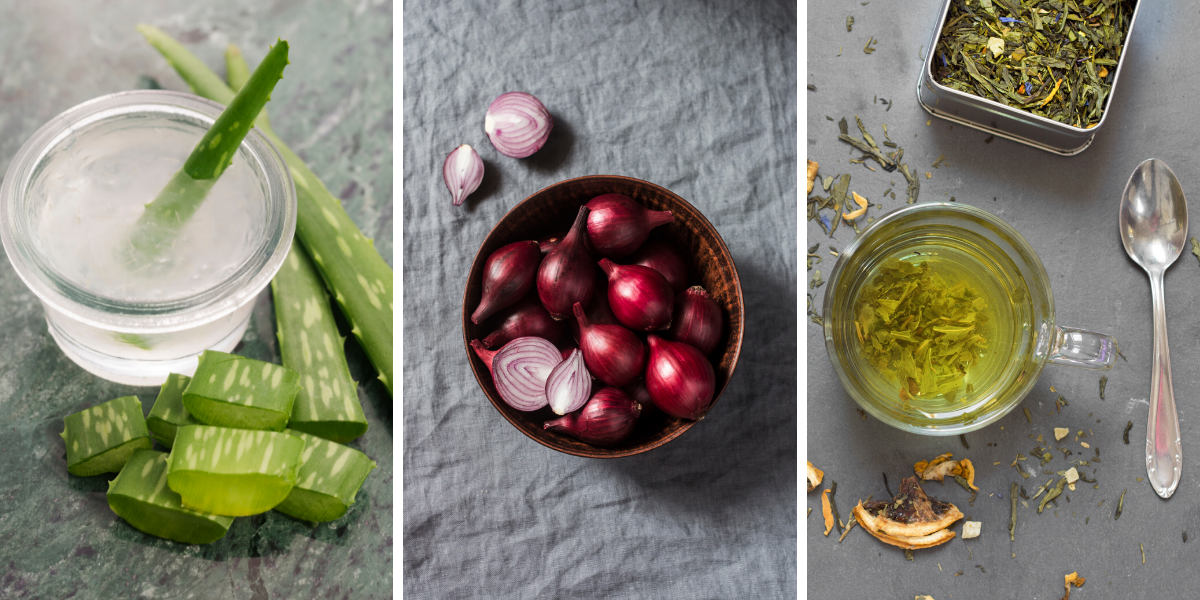
- Aloe Vera
Studies show that aloe vera is a natural, non-toxic depigmenting compound that can be used to treat pigmentation.
Try applying aloe vera to affected areas of your skin before going to bed and rinsing it off with warm water the next morning. Repeat the cycle daily until you see results.
- Green Tea Extract
Just like aloe vera, green tea extract is known for its de-pigmenting properties when applied directly onto the skin.
Take note, though, that we’re talking about green tea extract and not green tea bags. While some people swear by the latter, there is currently no actual scientific study proving their efficacy.
- Red Onion Extract
Research shows that dried red onion skin can be effective in lightening dark patches on your skin. It’s so effective in fact, that several scar and skin-lightening creams actually contain red onion extract.
Products
- Brightening creams
Skin brightening creams can be a worthy investment if you have been wondering how to get rid of pigmentation.
One brand we recommend is Image Iluma Intense Brightening Creme. This effectively fades age spots and hyperpigmentation. It contains an exclusive lightening complex which limits your skin’s melanin production (this is what leads to skin pigmentation). The creme evens out skin discolourations and brightens skin for a healthy, youthful and radiant complexion.
You’ll find this creme at our online store.
- Overnight mask
Another option is IMAGE’s Ageless Total Overnight Retinol Masque. Recommended for use two or three times a week, the infusion of triple action time-released retinol technology helps to increase firmness, reduce the appearance of fine lines and wrinkles and improve skin imperfections.
Talk to your beauty therapist about whether this product is right for you and how often you should use it.

Therapies
- Cosmetic Treatments
Home remedies and creams should lighten skin pigmentation but sometimes more thorough treatment is needed to have you looking your best.
Your first step is to book a consultation with a skin specialist who will examine your skin and the pigment which is troubling you. From there, options may include:
- MDA: A non-invasive skin resurfacing procedure that gently reveals your fresher, younger skin cells
- Specialised laser treatments, which offer fast, comfortable and safe results on broken capillaries, spider veins and brown spots
- Microdermabrasion and IPL rejuvenation, for fast results on ageing and pigmentation
- Skin needling: To bring pigment to the surface and restore a more even skin tone.
- Temple’s 12-week Depigmentation Program
Cosmetic scientists are constantly developing new and improved treatment methods to reduce brown spots and skin pigmentation. To reduce your imperfections, book an initial consultation at The Temple Skincare & Spa. Your specialist with review your complexion, go through your treatment options and recommend a course of action for at home and in the salon.
Learn more about how to combat INFLAMMATION! Another Summer Skin Bummer this season. Click on the button below to download.